03 / BUYER'S GUIDE
A practical way to sell hospital chillers in Edmond, Oklahoma
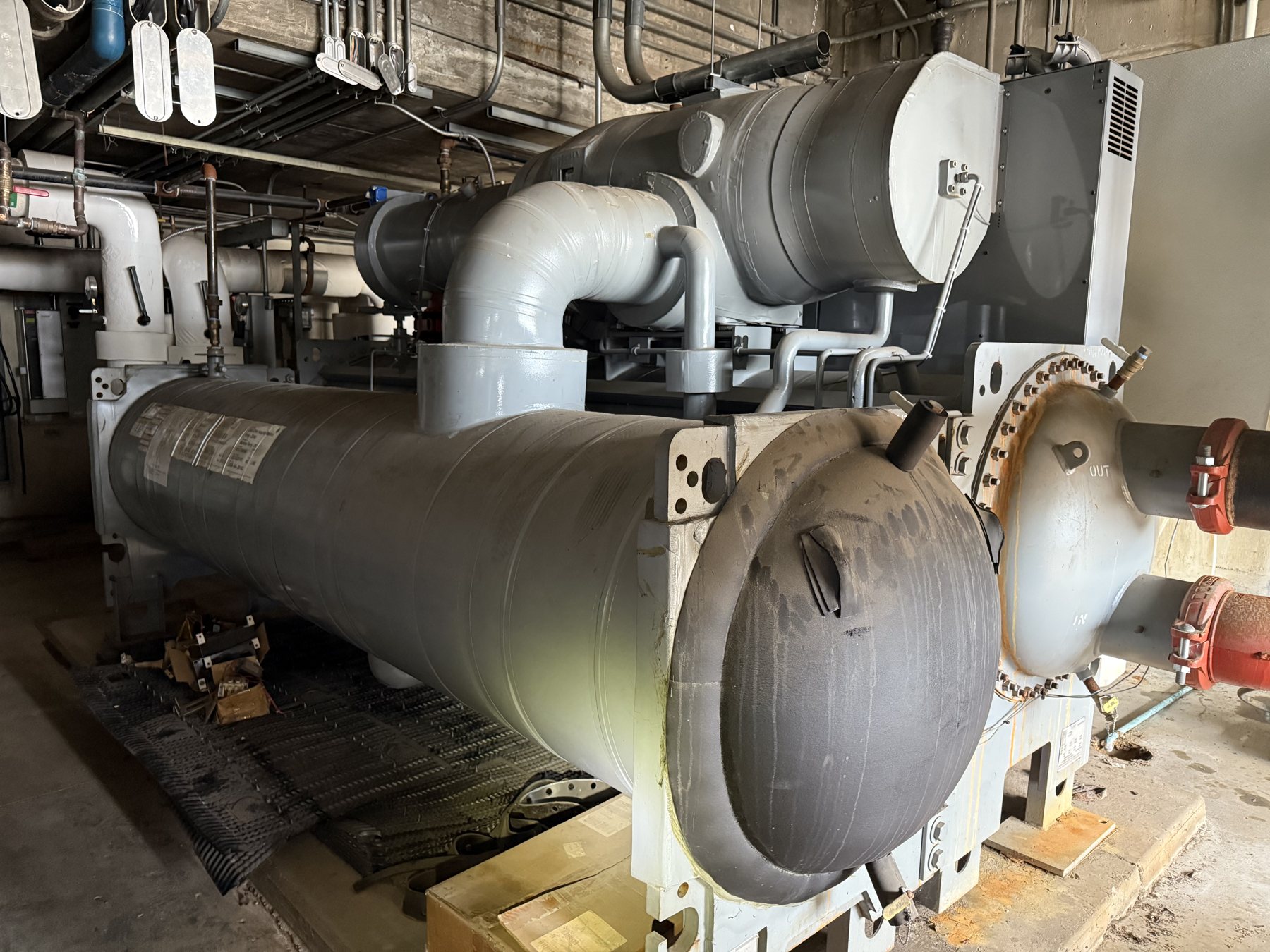
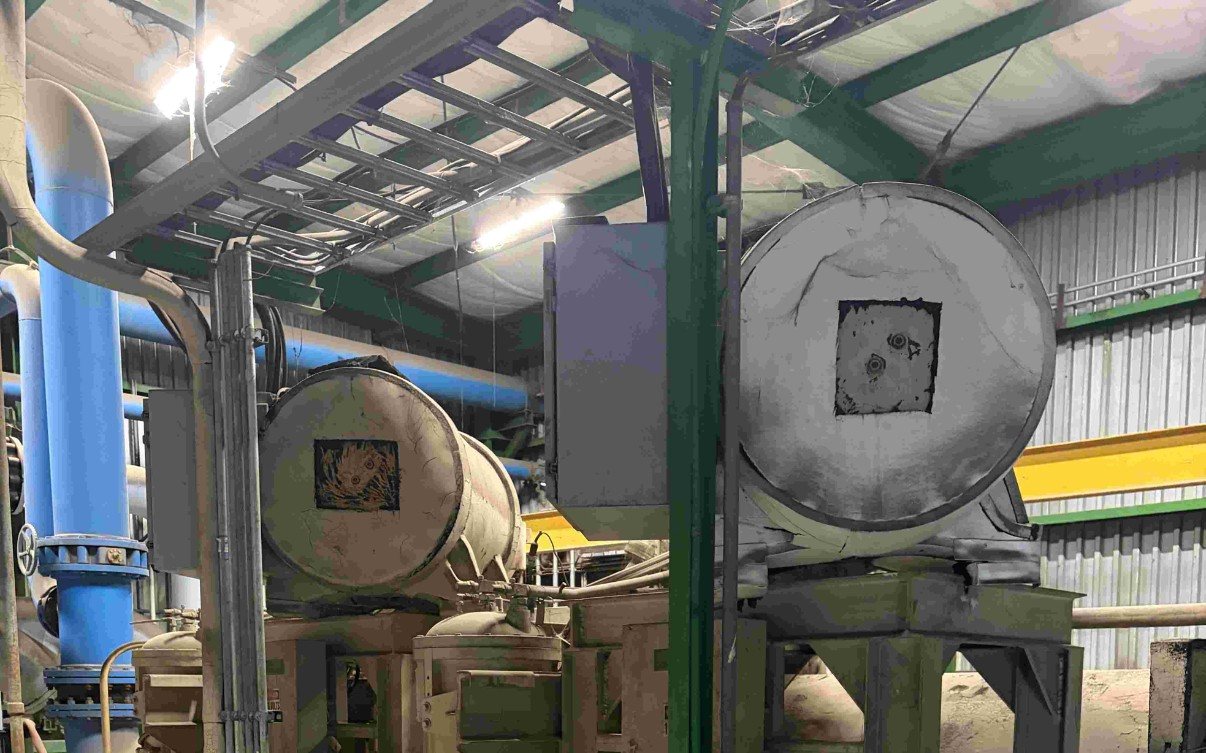
If you have hospital chillers in Edmond, Oklahoma, start with the equipment's actual condition and location. We buy used industrial chillers, including machines from 20 to 2,000+ tons, and consider all tonnages and refrigerants. Equipment can come from data centers, decommissioned power plants, refineries, manufacturing shutdowns, hospitals and campuses. The buyer handles crane work, rigging, refrigerant recovery, disconnects, loading and hauling, with all freight covered. No testing is required. Cash offers and payment upfront are available after the equipment and transaction are reviewed.
Hospital plant continuity and safe access
Hospital chiller work can affect occupied clinical spaces, essential cooling and controlled delivery routes. Identify the equipment being retired and whether it shares piping, power or plant space with systems that remain in use. The facility should coordinate access windows, infection-control or other site-specific requirements, and protection of patients and staff as appropriate. Photographs of the plant and removal path are useful, but avoid capturing patient information or restricted areas without permission. For this equipment, describe whether the chiller is a replacement, retired standby or part of a broader plant change. If an item is not visible or its history is unknown, say so rather than assigning it a condition. Drawings or records are helpful when available, but the first conversation can begin with clear photographs and the information already on hand.
Nameplates and photographs for hospital chillers
Start with a readable picture of the main nameplate. Include the manufacturer, complete model and serial number, rated cooling tons, supply voltage and refrigerant if those fields are present. Do not confuse nominal tons of cooling with the physical weight of the machine. If the plate is damaged, provide the clearest photo available and say which fields cannot be read. A separate compressor, motor, starter or module tag can add useful context, but it does not replace the primary unit identification. For hospital chillers, photograph the unit plate and control equipment without including patient or other sensitive information.
Access and site details for Edmond
An Edmond chiller may serve an individual building or share a plant with other occupied spaces. Identify the machine being removed, nearby equipment that must stay in operation and the service entrance available for equipment movement. Photos showing corridors, doors and possible outdoor staging space are more useful than an address alone. In particular, identify occupied areas, access restrictions, shared utility routes and any needed coordination with facility personnel. Give approximate measurements where possible and identify a contact who knows the property. These observations support a site-specific plan; they do not replace a professional evaluation of the lifting route or the ground.
Refrigerant and isolation for hospital chillers
Before a chiller is moved, the actual refrigerant and utility connections need a site-specific plan. The buyer handles refrigerant recovery and disconnects; the facility and removal personnel coordinate the isolation points and safe access. Share the refrigerant label, any known conversion, and whether water or electrical connections still appear intact. Do not open valves, dismantle piping or start the equipment just to obtain an offer. If the charge or isolation status is uncertain, reporting that uncertainty is useful. For this machine, coordinate refrigerant recovery and utility isolation with the hospital's authorized plant team.
Rigging, loading and freight for hospital chillers
The buyer handles crane work, rigging, loading and hauling, and covers all freight. The safe method still depends on the actual site and the machine's verified dimensions and lifting information. Photograph the nearest suitable vehicle approach and the entire path between it and the chiller. Share the narrowest door or gate width, overhead clearance, changes in elevation and any known floor or ground restrictions. If a crane appears necessary, point out overhead lines and structures without assuming where a crane can safely stand. The plant representative should identify active equipment, occupied areas and any restrictions on the route or staging space. The team can then assess how the particular chiller can be removed without assuming the whole facility is shut down.
Cash offers and condition review for hospital chillers
Our business buys used industrial chillers; it does not sell chillers. You can request a cash offer with payment upfront, and the equipment does not need to be tested. A useful description identifies the machine, current condition, included components and the location from which it would be removed. Any offer is subject to review and agreement, including verification that the seller is authorized to transfer the chiller. Known damage or missing documentation should be disclosed instead of hidden or guessed. Identify who has authority to sell the individual chiller and distinguish it from shared plant equipment that is not included.
Preparing for equipment handoff in Edmond
Separate the equipment description from the facility's access requirements. Identify the legal owner or authorized representative, list what is included, and describe where the chiller sits today. Note whether the facility requires escorts, permits, protection for occupied areas or coordination with an operating plant. Existing drawings and safe, current photos can help, but missing information should be marked unknown. Pickup and payment details are agreed for the actual transaction rather than inferred from an online description. To start, call (614) 715-3047, text photos, or email saleselectricalbuyers@gmail.com. Include the site city or county and a good contact number, but do not enter restricted areas merely to take pictures.