03 / BUYER'S GUIDE
A practical way to sell 2,000+ ton chillers in Broken Arrow, Oklahoma
If you have 2,000+ ton chillers in Broken Arrow, Oklahoma, start with the equipment's actual condition and location. We buy used industrial chillers, including machines from 20 to 2,000+ tons, and consider all tonnages and refrigerants. Equipment can come from data centers, decommissioned power plants, refineries, manufacturing shutdowns, hospitals and campuses. The buyer handles crane work, rigging, refrigerant recovery, disconnects, loading and hauling, with all freight covered. No testing is required. Cash offers and payment upfront are available after the equipment and transaction are reviewed.
Very large chiller and multi-piece handling
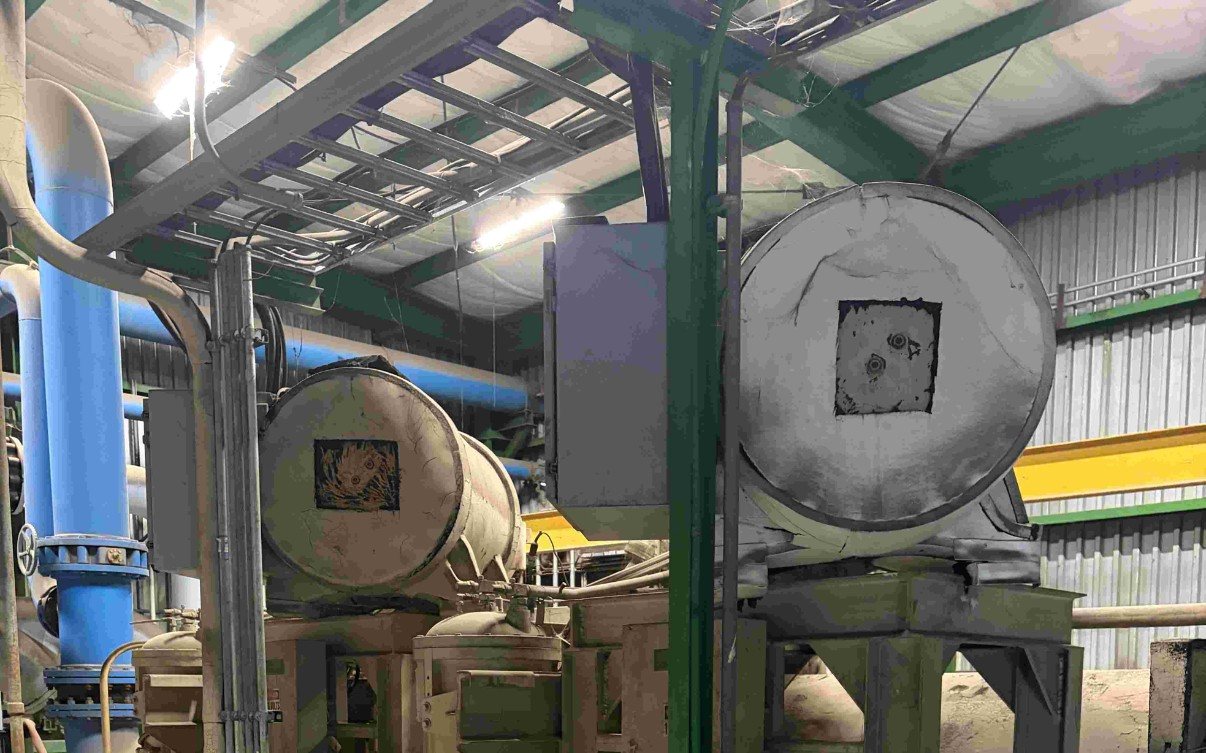
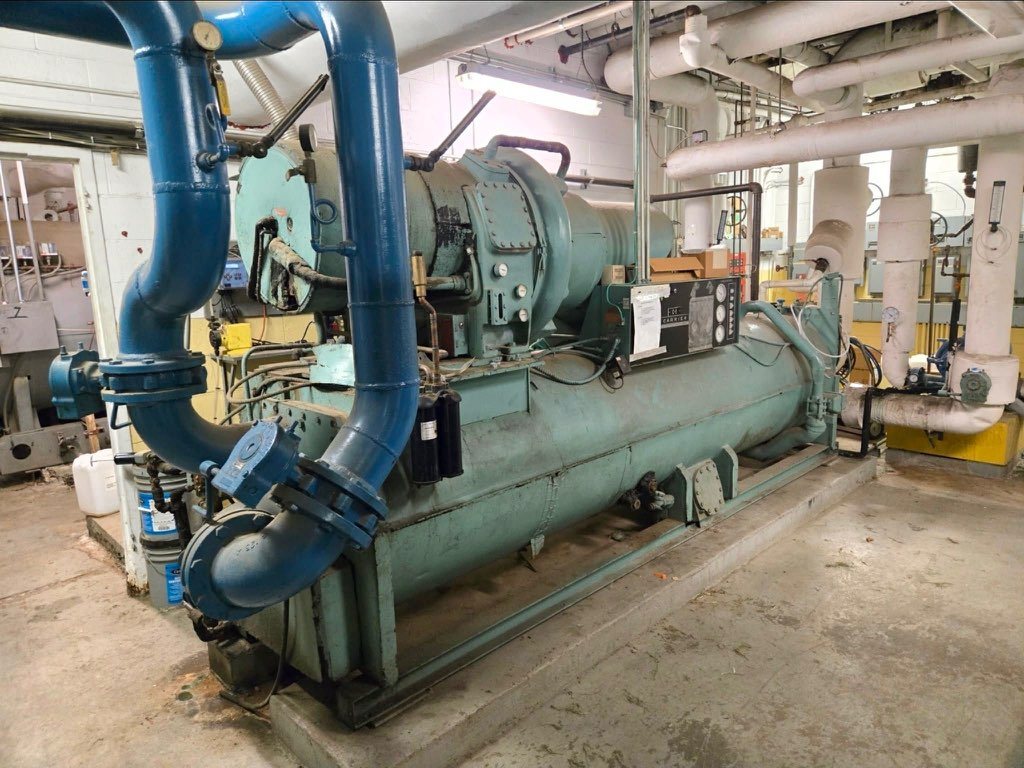
Chillers rated at 2,000 tons and above deserve equipment-specific review rather than a generic estimate based on size. Record the precise nameplate capacity and model, and share drawings, verified shipping weights and photographs of all major assemblies if available. Describe whether the machinery remains in a power plant, industrial facility or another plant room and identify the real exit route. Any disassembly, lifting design and transport arrangement depend on the machine and site conditions. For this equipment, show all main assemblies and distinguish the chiller rating from dimensions, shipping weight and included accessories. If an item is not visible or its history is unknown, say so rather than assigning it a condition. Drawings or records are helpful when available, but the first conversation can begin with clear photographs and the information already on hand.
Nameplates and photographs for 2,000+ ton chillers
The most useful first photograph is often the manufacturer's data plate: it can identify the exact model, serial number, capacity, electrical rating and refrigerant. Then photograph the complete machine from enough angles to show its configuration. If the label is painted over or unreadable, send what is legible along with any equipment schedule or manual that clearly belongs to the unit. Cooling capacity in tons is not the same measurement as lifting weight, and neither should be guessed from a photograph. For 2,000+ ton chillers, photograph the manufacturer plate showing the exact capacity, model, serial number, voltage and refrigerant.
Access and site details for Broken Arrow
At a Broken Arrow property, an equipment yard may have a different usable entrance from the main office. Note the gate width, the space around the unit and whether a truck or crane could be affected by landscaping, fences or overhead obstructions. If the chiller is indoors, include the narrowest door and any turns in the aisle. In particular, measure the actual equipment and restrictive openings, and identify a documented shipping weight if one is available. Give approximate measurements where possible and identify a contact who knows the property. These observations support a site-specific plan; they do not replace a professional evaluation of the lifting route or the ground.
Refrigerant and isolation for 2,000+ ton chillers
Before a chiller is moved, the actual refrigerant and utility connections need a site-specific plan. The buyer handles refrigerant recovery and disconnects; the facility and removal personnel coordinate the isolation points and safe access. Share the refrigerant label, any known conversion, and whether water or electrical connections still appear intact. Do not open valves, dismantle piping or start the equipment just to obtain an offer. If the charge or isolation status is uncertain, reporting that uncertainty is useful. For this machine, identify the refrigerant and connected utilities without assuming the tonnage determines the charge or isolation method.
Rigging, loading and freight for 2,000+ ton chillers
The buyer handles crane work, rigging, loading and hauling, and covers all freight. The safe method still depends on the actual site and the machine's verified dimensions and lifting information. Photograph the nearest suitable vehicle approach and the entire path between it and the chiller. Share the narrowest door or gate width, overhead clearance, changes in elevation and any known floor or ground restrictions. If a crane appears necessary, point out overhead lines and structures without assuming where a crane can safely stand. Rated refrigeration tons measure cooling capacity, not the weight to be lifted. Use documented shipping data for the exact machine when it is available, and tell the team if major components have been added or removed.
Cash offers and condition review for 2,000+ ton chillers
We only buy used industrial chillers; we do not sell equipment. A seller can request a cash offer, with payment upfront and no testing required. Provide available information about condition, ownership and removal access so the equipment can be evaluated on its own facts. If pumps, controls, starters or other items are included, list them separately. A purchase is subject to review and mutual agreement; a photo or capacity label by itself is not a promise that a particular unit will be accepted. Use the nameplate rating when possible and explain if the offered equipment includes multiple separate machines rather than one chiller.
Preparing for equipment handoff in Broken Arrow
For a smoother discussion, name a site contact and someone authorized to sell the equipment. Specify the chiller, associated controls and any loose components that transfer with it, and identify anything excluded. Provide the actual loading entrance, known utility status and any facility rules that affect access. Current photos and existing records help the removal team develop an appropriate plan. Leave isolation, refrigerant recovery and the handling work to the coordinated professionals instead of making unverified preparations. To start, call (614) 715-3047, text photos, or email saleselectricalbuyers@gmail.com. Include the site city or county and a good contact number, but do not enter restricted areas merely to take pictures.